

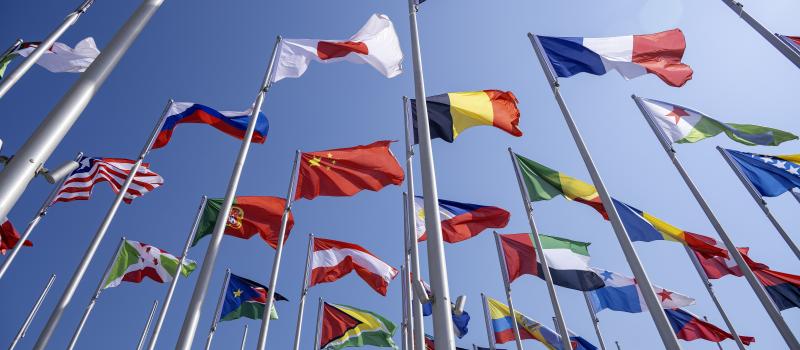
Global affairs are changing faster than ever, influenced by shifting political alliances, economic uncertainty, climate challenges, and rapid technological development. In today’s interconnected world, events in one region can quickly impact countries across the globe. Understanding these global affairs trends is essential for policymakers, businesses, and everyday readers who want to stay informed about the future direction of international relations.
Geopolitical Shifts and Rising Global Tensions
Changing Power Dynamics Among Major Nations
Global politics is currently experiencing a shift in power as emerging economies gain influence while traditional powers adjust their strategies. Countries are focusing more on national security, trade independence, and regional alliances. These changes are shaping a new global balance where cooperation and competition exist side by side, affecting diplomatic relationships worldwide.
Regional Conflicts and Their Global Impact
Regional conflicts continue to influence global stability, affecting energy prices, migration patterns, and international trade routes. Even localized disputes now have global consequences due to interconnected economies. International organizations are increasingly involved in peace negotiations, but long-term solutions remain complex and require sustained diplomatic efforts.
Strengthening of Military Alliances and Defense Strategies
Nations are strengthening military alliances to ensure security in uncertain times. Defense spending has increased in many regions, reflecting growing concerns over territorial disputes and cyber threats. These alliances are not only about military strength but also about strategic cooperation in intelligence sharing and crisis response.
Global Economy and Financial Transformation
Inflation, Trade, and Economic Recovery Trends
The global economy continues to recover unevenly after recent disruptions, with inflation affecting both developed and developing nations. Trade flows are adapting to new supply chain models, and governments are introducing policies to stabilize markets. Economic recovery is closely tied to global cooperation and financial stability measures.
Digital Economy and Cross-Border Trade Growth
The rise of the digital economy is transforming how countries trade services and goods. E-commerce, remote work, and digital financial systems are creating new opportunities for growth. Cross-border digital trade is becoming a major driver of economic expansion, especially for developing economies seeking global integration.
Energy Markets and Global Resource Competition
Energy resources remain a key factor in global economic stability. Countries are competing for access to oil, gas, and renewable energy technologies. At the same time, there is a growing shift toward clean energy investments, which is reshaping international partnerships and long-term economic planning.
Climate Change and Global Sustainability Efforts
Rising Climate Risks and Environmental Challenges
Climate change is increasingly affecting weather patterns, agriculture, and natural ecosystems. Extreme weather events are becoming more frequent, forcing governments to invest in disaster preparedness. Environmental risks are now a central issue in global policy discussions.
International Climate Agreements and Cooperation
Countries are working together through global agreements to reduce carbon emissions and promote sustainability. These agreements encourage shared responsibility and long-term environmental planning. However, differences in economic capacity often make implementation challenging across regions.
Transition Toward Renewable Energy Systems
The shift toward renewable energy is accelerating as nations invest in solar, wind, and hydroelectric power. This transition is not only environmental but also economic, as it reduces dependence on fossil fuels. Renewable energy development is becoming a major focus of international investment strategies.
Technology, Security, and Future Global Order
Rise of Artificial Intelligence and Digital Governance
Artificial intelligence is transforming governance, security systems, and economic planning. Governments are exploring AI regulations to ensure ethical use and prevent misuse. Digital governance is becoming essential in managing modern public services efficiently.
Cybersecurity Threats and Global Digital Defense
Cybersecurity has become a major concern as cyberattacks target governments, businesses, and infrastructure. Nations are strengthening digital defense systems and increasing cooperation in cyber intelligence. Protecting sensitive data is now a top global priority.
Innovation, Space Exploration, and Technological Competition
Technological innovation is driving competition between nations, especially in fields like space exploration, biotechnology, and quantum computing. Countries are investing heavily in research and development to maintain global leadership in future technologies.
FAQs
What are global affairs?
Global affairs refer to political, economic, environmental, and security issues that affect countries worldwide.
Why are global affairs important?
They help us understand international relations, global risks, and economic trends that impact daily life.
How does climate change affect global affairs?
Climate change influences migration, food security, and international cooperation on environmental policies.
What role does technology play in global affairs?
Technology affects communication, security, economic growth, and global competition between nations.
How do global conflicts impact the economy?
Conflicts can disrupt trade, increase energy prices, and create financial instability worldwide.
Conclusion
Global affairs today are shaped by interconnected challenges such as geopolitical tensions, economic transformation, climate change, and technological advancement. These factors are redefining how nations interact and how global systems evolve. Staying informed about these changes is essential for understanding the future of international relations and the direction of global development in an increasingly complex world.